Conjoint analysis quantifies how your customers value different features, bundles and prices – so you can prioritize what matters, price with confidence and build products that win.
Typical outcomes:
- Clarity on the features that drive choice (and those that don’t)
- Evidence based pricing and tiering, including willingness to pay
- A market simulator to test “what if” scenarios ahead of launch
What Is Conjoint Analysis in B2B Market Research?
Conjoint analysis is a research technique that measures how buyers trade off features, benefits and price when choosing between options. Rather than asking “What’s most important?”, we present realistic choices and infer preferences from the decisions people make.
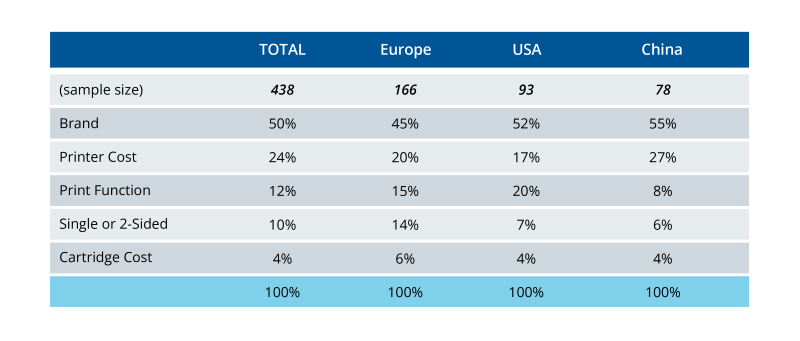
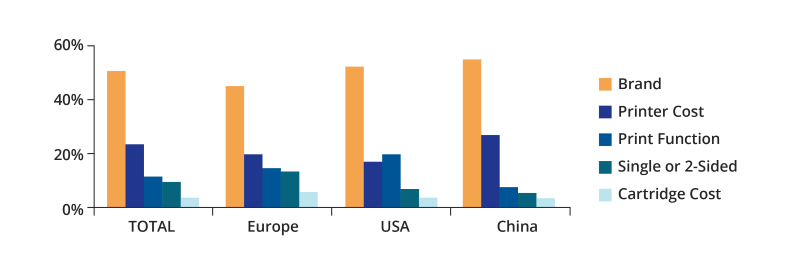
In choice based conjoint (CBC) – our most common approach – respondents pick from sets of product or service profiles. From those choices, we estimate utilities (the value of each attribute level) and importance (the contribution of attributes to the overall choice).
Why Conjoint Analysis Matters in B2B
B2B decisions involve multiple stakeholders, complex value propositions and risk averse buying. Conjoint analysis cuts through internal debate by showing, with data:
- Which features justify a price premium
- Which bundles convert best by segment
- How to tier pricing and structure SLAs
- Which trade offs buyers accept (e.g., speed vs. cost, service level vs. price)
The result is a clear, quantified business case for product, pricing and go to market decisions.
B2B Use Cases & Example Scenarios
SaaS Pricing & Packaging: Decide which features to include in each tier, how to price add ons, and which bundles maximize conversion and margin.
Industrial Equipment: Prioritize engineering features, service inclusions, warranties and financing options for different segments.
Logistics & Supply Chain Services: Optimize delivery speed, tracking level, claims handling and per parcel pricing to win enterprise contracts.
Telecoms & Connectivity: Balance bandwidth, uptime SLAs, support response and contract length against monthly fees.
Illustrative B2B choice task:
- Option A: Next day delivery, real time tracking, dedicated account manager, £4.20 per parcel
- Option B: 2 day delivery, scan on dispatch tracking, pooled support, £3.50 per parcel
Which would you choose? Why?
Conjoint analysis quantifies that “why” across hundreds of buyers to reveal the optimal offer and price.