Cluster analysis is a powerful statistical technique that helps B2B organizations understand how different customers group together based on their needs, behaviors, and attitudes.
Instead of relying on one broad market view, cluster analysis reveals the natural segments in your market — enabling more precise targeting and more effective marketing, sales and product strategies.
What Is Cluster Analysis in B2B Market Research?
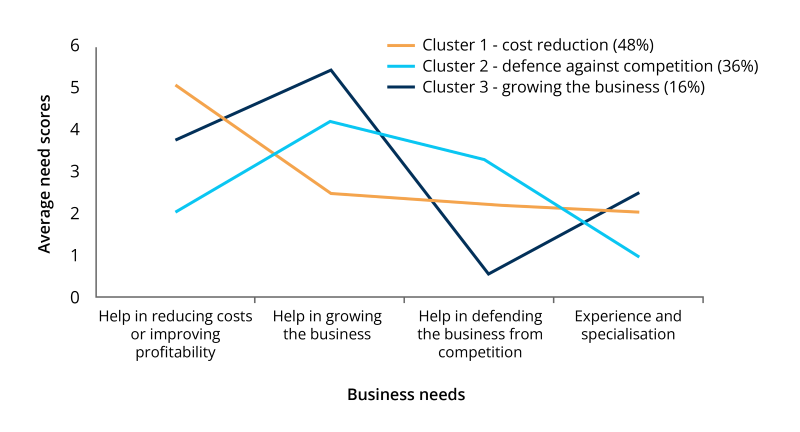
Cluster analysis is an exploratory data technique that uncovers patterns within large sets of survey responses or customer data. It works by grouping respondents or companies into clusters based on how similar their answers are.
-
People with similar needs or behaviors fall into the same cluster
-
People with different profiles fall into different clusters
This creates clear, evidence based segments that reflect how customers actually think and behave — not how we assume they do.
Cluster analysis is most commonly based on attitudinal or behavioral data, making it especially useful for needs based segmentation in complex B2B markets.
Why B2B Brands Can Benefit From Cluster Analysis
B2B markets are diverse and often involve multiple influencers and decision makers. Cluster analysis helps you make sense of that complexity.
It enables you to:
-
Build meaningful customer segments grounded in real data, not guesswork
-
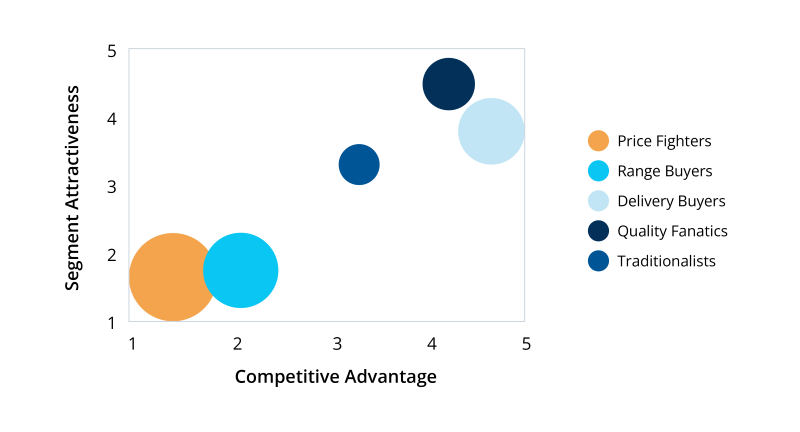
Prioritize the segments that offer the greatest growth potential
-
Develop sharper value propositions tailored to actual customer needs
-
Improve targeting and messaging across marketing, sales and product functions
-
Spot underserved groups where new opportunities may exist
-
Create buyer personas that reflect motivations, behaviors, and pain points
In short, cluster analysis turns large datasets into clear strategic direction.
Common B2B Use Cases
Cluster analysis is used widely across B2B industries, including manufacturing, technology, financial services, chemicals, healthcare, and professional services.
Organizations typically rely on cluster analysis to:
-
Segment customers by needs and attitudes in global B2B markets
-
Understand how different decision making units (DMUs) think and behave
-
Identify distinct behavioral patterns across the customer lifecycle
-
Tailor messaging to different verticals, regions, or organization types
-
Prioritize target segments for market expansion
-
Support product development with needs driven insights
How Cluster Analysis Works
Although cluster analysis involves sophisticated statistics, the principles are straightforward.
-
We collect the right inputs
We use quantitative survey data, CRM data or customer behavior data — often based on needs, attitudes, satisfaction, or purchase behaviors.
-
We identify patterns
Statistical techniques such as k-means clustering or hierarchical clustering analyze how respondents group together.
-
We define the segments
We interpret the clusters and determine what makes each segment unique — their needs, priorities, pain points, behaviors, and drivers.
-
We size and priorities them
We map the commercial value of each segment so you understand where opportunities lie.
-
We bring them to life
We create clear segment descriptions, personas, messaging frameworks and activation guidelines.
This process transforms complex data into practical segmentation models that your teams can use daily.